
Section Steel
Gaoya: Your Premier Section Steel Manufacturer
Gaoya has been in the construction area for around 20 years. It is a diversified enterprise integrating domestic and foreign building materials trade and sales, processing, warehousing, logistics, etc.
Quality Assurance
All of our products are supplied by Chinese standard GB, European standard EN, American standard ASTM/ASME, German standard DIN, Japanese standard JIS, etc.
Wide Range of Applications
Iron and steel material can be widely used in electric energy, petrochemical industry, marine ships, aerospace, machinery manufacturing, military applications, rail transit, housing construction, and other fields.
Global Sales Network
Gaoya has a complete sales network, and its products are not only sold to major cities in China, but also exported to Europe, America, Asia, Africa, Oceania, and other countries and regions.
High Standard Products
We strictly control a series of activities from contract signing, production process, product deep processing, product inspection, product protection, and delivery to ensure that the quality of sold products meets the requirements of users.
-
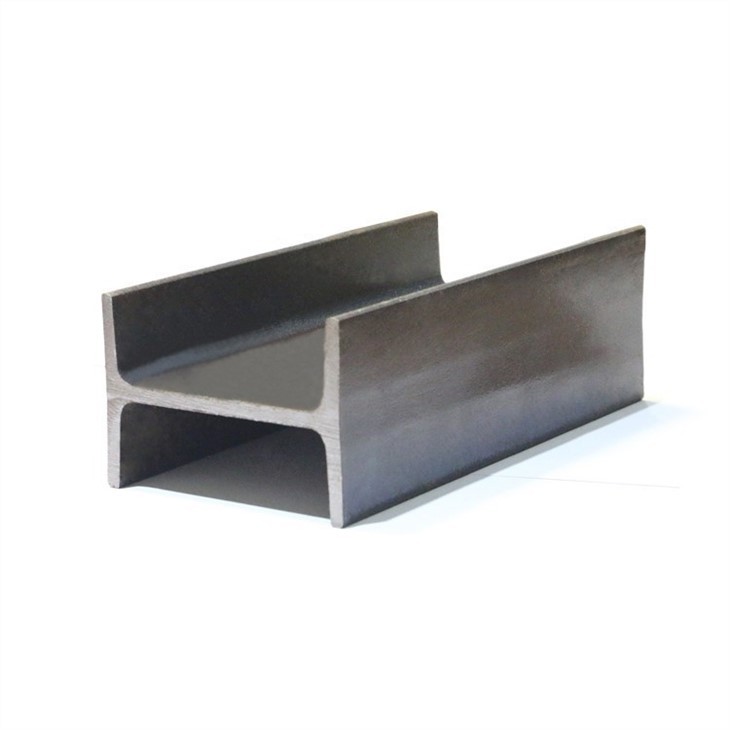
Hot Rolled Steel H Beam
-
Hot Rolled Steel H Beam
-
Weld Steel H Beam
-
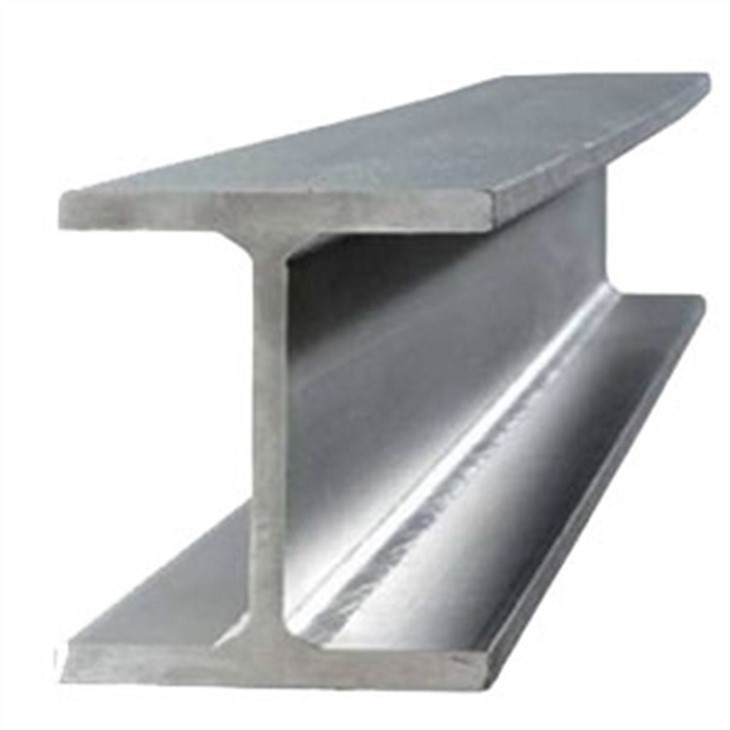
Hot Rolled Steel I Beam
-
Weld Steel I Beam
-
Hot Rolled Steel U Channel
-
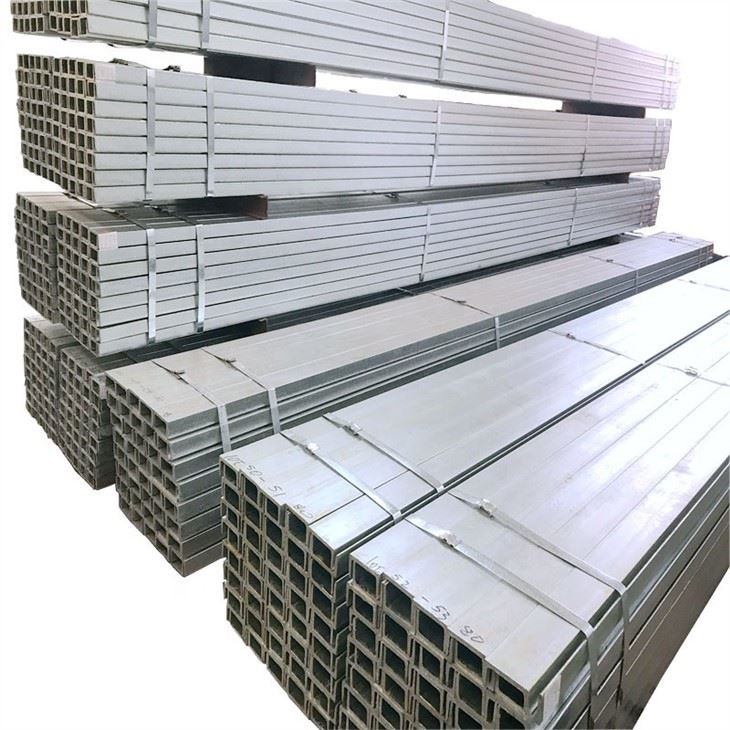
Galvanized Steel C Channel
-
Light Channel Steel for Construction
-
Steel Carbon Equal Angle Bar
-
Hot Rolled Angle Steel Bar
-
Unequal Steel L-Angle
-
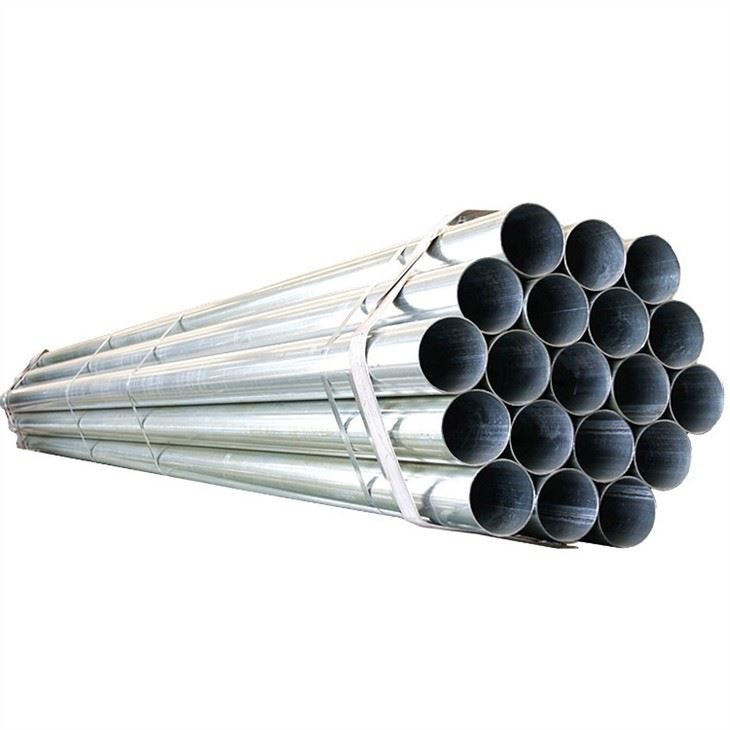
Steel Seamless Round Pipe
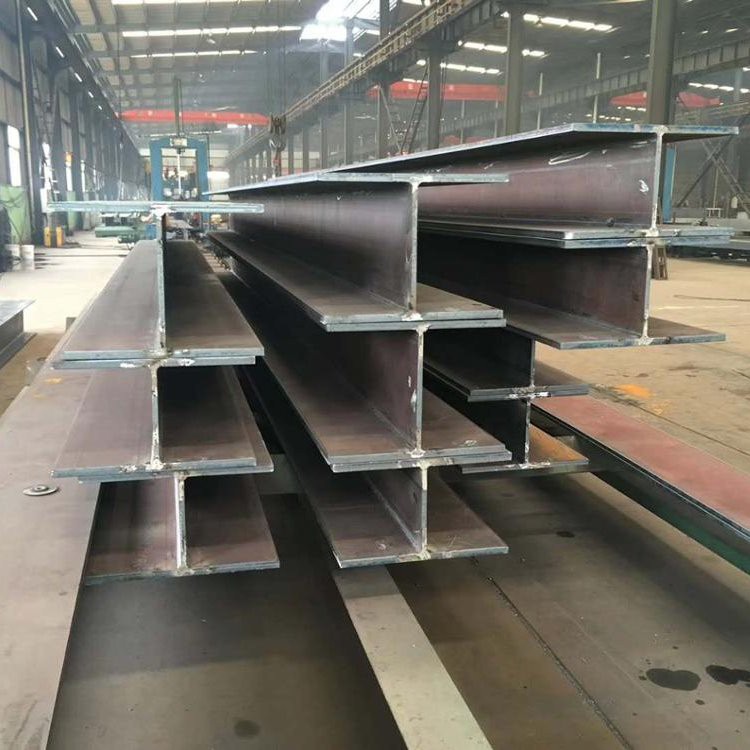
Definition of Section Steel
Steel sections are a key component in steel fabrication owing to their extremely versatile properties. These properties enable steel sections to be manufactured in an array of shapes and, therefore, give engineers many factors to consider when choosing sections for their projects, including weight, size and profile. Structural steel sections are typically produced by ‘hot rolling’, where the steel is heated between two large rollers. During this process, the steel sections will be rolled into the shape required for the application. The sections are available as circular hollow sections, open sections, beams and more.
Benefits of Section Steel
Tensile
Section steel has a high strength-to-weight ratio, so it has high strength per unit mass. So no matter how large the overall structure is, the steel sections will be small and lightweight, unlike other building materials.
Massively Production
Steel can be easily fabricated and produced massively. Steel sections can be produced off-site at shop floors and then assembled onsite. This saves time and increases the efficiency of the overall construction process.
Flexible
You can mold section steel into any shape without changing its properties. You can convert it into sheets or turn it into wires as per the design.
Durable
It is very durable. Structural steel structures can withstand external pressures such as earthquakes, thunderstorms, and cyclones. A well-built steel structure can last up to 30 years if maintained well.
High Strength
These sections are extremely sturdy and can withstand heavy loads and external forces, making them ideal for building large structures.
Customized Sections
By combining different forms of steel, engineers can create custom sections tailored to the specific requirements of a building or bridge, improving overall design flexibility.
Profitability
Although steel is a premium material, the use of composite parts makes efficient use of resources, reduces material waste, and ultimately reduces costs.
Easy Maintenance
Maintenance of assembled steel sections is relatively simple, making it the preferred choice for structures that require regular inspection and maintenance.
Types of Section Steel
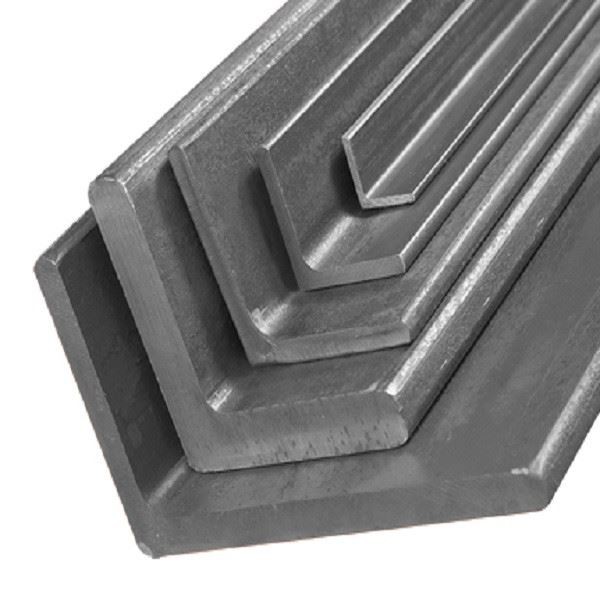
Angled Steel Sections
One of the common structural components is the L-shaped steel beams supporting buildings. Two steel legs joined at a right angle produce an L-shape. Though the length of each section can vary, angled beams always make the right angle. There is no hard-and-fast rule that the steel legs should be of the same length because these beams come in a wide range of sizes and dimensions. Structural steel angles can be equal or unequal. Both will be right-angled, but the unequal one will have an L-shaped axis. The strength-to-weight ratio of this part is significantly better than average (by as much as 20%).
The dimensions of the different diameters of the uneven angle pieces range from 30 millimeters by 20 millimeters by 3 millimeters to 200 millimeters by 150 millimeters by 18 millimeters. The comparable weights per meter length are respectively 11 N and 469 N. The equal angle steel sections are available in sizes spanning from 20 mm x 20 mm x 3 mm to 200 mm x 200 mm x 25 mm. Both lengths have similar weights per meter at 9 N and 736 N.
Steel Beam Section
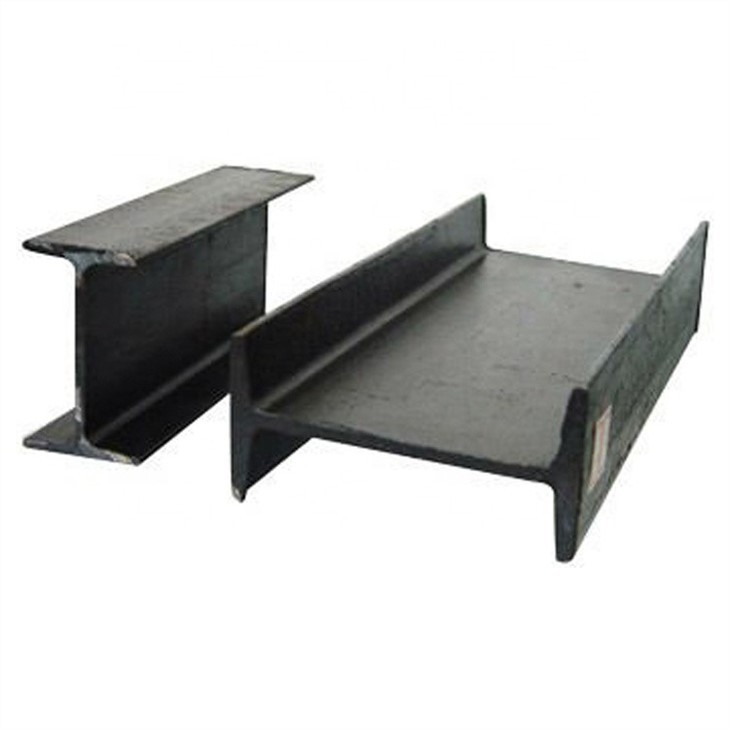
There are several types of steel beam sections, such as U-beams, I-beams or H-beams, round and squared beams, etc. U-beams are used as braces because they are like I-beams but have two parallel flanges extending from only one side of the vertical support. Round or square solid steel beams are more common types of steel beam sections used in machinery and appliances than in construction. However, they are a valuable commodity across many sectors and have many potential uses.
Channels Steel Section
Hot-rolled steel channels find employment in various structural contexts, from the built environment to the automotive industry. C-shaped, U-shaped and parallel flanges (PFC) are the various channel steel sections. The C-shaped profile of this segment is what inspired the name. Like a half beam, except that the web is full thickness, channel steel sections consist of a single web bordered by upper and lower flanges angled at right angles to the web. Bar sizes typically come in lengths of up to 6 to 12 m, while structural sizes are offered in 18 m sections. While channels aren't used as beams, they facilitate fastening together with similar surfaces because of their flat faces.
Hollow Structural Steel Sections (HSS Section)
Hollow structural sections, or HSS sections, can have a variety of cross-sectional shapes, including rectangles, squares, ellipses, and circles. However, rectangles are the most popular because they are well suited for welded frames subject to loads from many directions. Round HSS sections, also known as round structural tubing are used in load-bearing columns, such as Lally columns, but are not considered pipes because they are not designed to transport fluids. These forms start as welded rounds before the square, and rectangular tubing is formed to achieve the desired big radii at the corners. The HSS section has a lot of relevance for rotation and point loads. This section is quite strong in both compression and twisting.
Plates
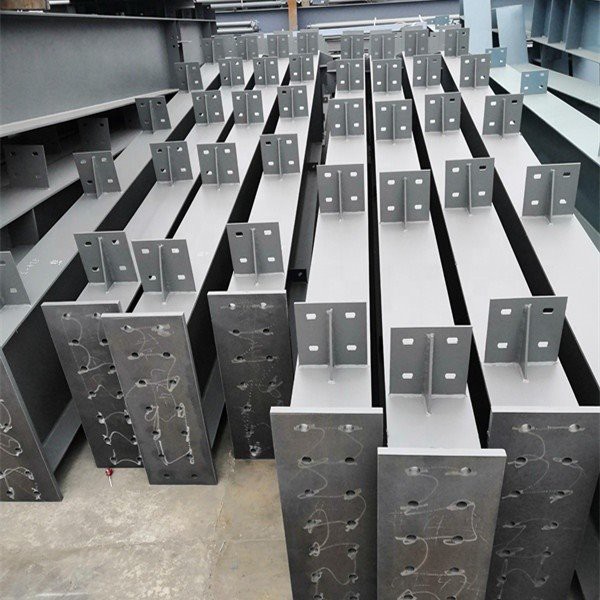
Steel plates are used in construction projects because they can be produced in different shapes and sizes, offering excellent versatility. These plates are commonly used to reinforce structures or attached to other steel sections. Some common applications of steel plates include foundations, skyscrapers, airports, military projects, shipbuilding, pressure vessels, oil and gas pipelines, transportation vehicles, and more. Steel plates provide essential support and durability in demanding environments.
T Steel Section
The T-steel section comprises two T-shaped parts, the flange and the web. The flange side of this design has far greater flexural capacity than the non-flange side. Steel roof trusses rely on them to create built-up sections. The cross-section resembles the letter T and comprises a flange and a web. Dimensions and wall thickness are the identifiers. You may get these pieces in dimensions ranging from 20 mm X 20 mm X 3 mm to 150 mm X 150 mm X 10 mm. 9 N and 228 N are the comparable weights per 1 m length.
Applications of Section Steel
Bridges
With thousands or millions of cars passing over bridges, the material used in its construction must withstand pressure stress. One of section steel's biggest benefits is that it can be created to significantly improve strength so that it serves its purpose.
High-Rise Buildings
Section steel can incredibly resist wind, earthquakes, or other natural disasters because of its strength and flexibility. They will not break under extreme pressure. Also, when building high-rise structures, it's entirely possible to speed up the construction process with steel.
Industrial Buildings
Section steel is designed to have a high strength-to-weight ratio and is highly durable. They are also cost-effective, and the pre-made parts are easily assembled. These two factors made section steel suitable material for industrial structures.
Residential Buildings
Using light gauge steel in residential buildings ensures the structure will last for several years. Also, the flexibility in the section steel makes them the best material for residential buildings situated near the coast or earthquake faults.
Commercial Towers and Public Building
Section steel is ideal for this type of construction because of its track record of delivering cost-effective and high-quality structures. Section steel can withstand extreme weather conditions such as rainstorms, hurricanes and earthquakes. They are also adjustable and very flexible. Depending on the design of the building, the panels can be altered to fit various size requirements. Its versatility allows for more expansion compared to traditionally constructed buildings.
Port Structures and Marine Works
Steel is suitable for port infrastructure and marine structures especially in high design loads however it may corrode when exposed to oxygen and salt water. But it can be minimized so long as there is a planned maintenance system.
Hydro Power & Wind Farm
Steel is required in these types of construction. Without it, it would not be possible to create a renewable energy source such as wind turbine or hydro power. It plays a crucial role in all renewables especially wind and solar — both require tons of steel.
Modules & Offshore Platforms
Offshore structures, large oil ducts and drilling structures are made of section steel. The usual method is fusion welding where the joining material is the same as the base material.
Process of Making Section Steel
Preparation
The first step of this process should be the preparation, in which the raw iron ore gets crushed. After that, the ore in question is sorted using one of many refining processes. The purpose of all these processes is more or less the same–to sort out the best iron grades, with the regular quality threshold being around 60%.
Reaction
The blast furnace is then loaded with the sorted part of the ore (it is loaded from the top), and the hot air is then blown to that same blast furnace from the bottom. This initiates a reaction, in which the impurities of the iron are slowly removed, and the pure iron moves lower inside of the furnace itself. As the molten iron moves towards the bottom of the furnace, it gets drawn off and heated even more to allow for various substances to be added to change the properties of the end material–such as manganese.
Formed
After the incursion process is complete, the steel is formed into one of many shapes for further production–with the more popular steel forms being plate, channel, angle, beam and hollow steel tube. There can be several different configurations of steel as an alloy, but it is relatively similar most of the time–with the two main components being carbon and iron. The relative percentage of carbon determines the flexibility and strength of the final material–more carbon means lower flexibility but higher strength, and vice versa.
Maintenance Tips for Section Steel
Inspect the Structure Regularly
You need to inspect your section steel building at least twice a year to identify and fix issues on time. Also, inspect at the end of every season since some seasons, such as winter, have harsh weather that could lead to damages. You don't want to experience structural issues in the future due to flaws that developed in the previous seasons. You should also inspect section steel parts of a building after a remodeling project such as the enlargement of the existing structure since the addition can affect the integrity of the existing one.
Repair Minor Flaws
You should always make minor repairs early before they develop further and weaken the structure. If you notice any minor issue, therefore, call a welder to fix it; you don't have to wait until your next inspection to fix it. The steel parts you should pay attention to include the minor fittings such as door hinges. When they rust, they can get loose and affect the stability of your structure. Therefore, you need to inspect, replace, or repair them on time.
Painting
Painting is another aspect of maintenance that helps to protect the steel's surface. Painting a steel structure can not only improve its durability but also improve its appearance. A good paint system will help prevent the steel structure from rusting by protecting it against moisture. The most important thing is choosing the right paint system based on the environment where the structure is located. The paint systems must be designed to cope with constant sun exposure or high humidity as well as extreme weather conditions.
Clean the Structure
Regularly dust and wipe down the steel with a clean, soft polishing cloth. Avoid abrasive / scouring cloths as this will dull and scratch the surface over time. Once the surface is exposed due to scratches oxygen then starts to react with the metal resulting in rust. Rust will significantly weaken the structure and integrity of steel.
Factors to Consider When Selecting Section Steel
Operating Environment
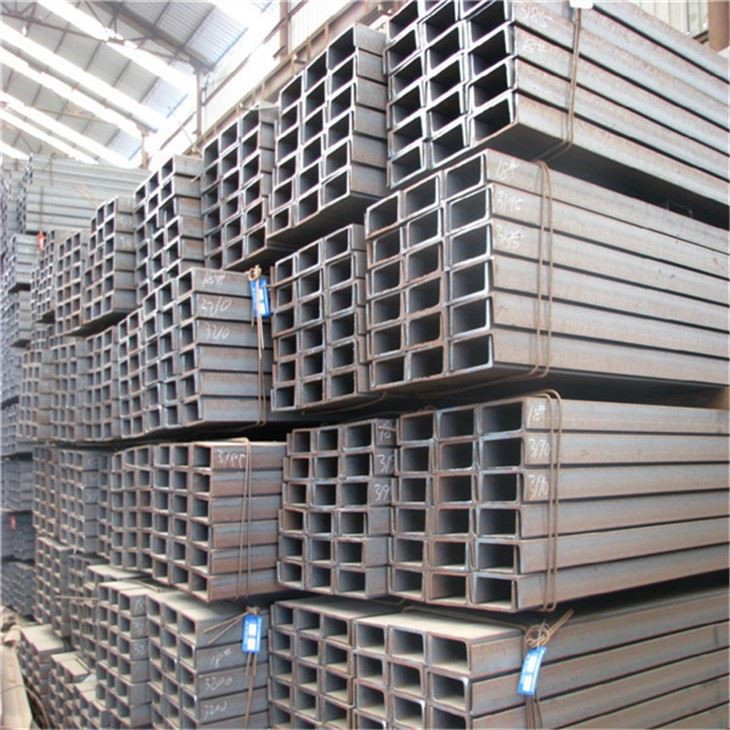
The operating environment of the section steel product is a crucial consideration before choosing the right grade. This is because elements present in the external environment can greatly affect the quality of performance exhibited by the steel material. Factors such as high temperatures, pH levels, and frequency of impact are just some that need to be taken into consideration. To give an example, many differentiated processes take place in industrial warehouses. Some of these facilities may contain high-heat environments due to the emissions produced by machines. Equipment such as furnaces may affect the utility and functionality of the surrounding steel material over time. On the other hand, some industrial processes make use of steel only to enhance the stability and structural integrity of different structures. The steel product in question doesn’t need to be of a high-grade to withstand these external pressures.
Tensile Strength
In choosing a type of section steel grade, its tensile strength should also be determined. This simply refers to the quality of resistance that a material exhibits when subject to tension. To determine whether the steel grade is right for the job, it shouldn’t be able to take a short time before it takes in some form of damage. The tensile strength of a steel sample can be measured with the assistance of test rigs and other kinds of components. A steel sample is placed inside a machine. After which, force is gradually applied to the material. Tensile strength is determined through an extensometer which quantifies the amount of peak force that the sample can take in before it eventually experiences breakage.
Machinability Properties
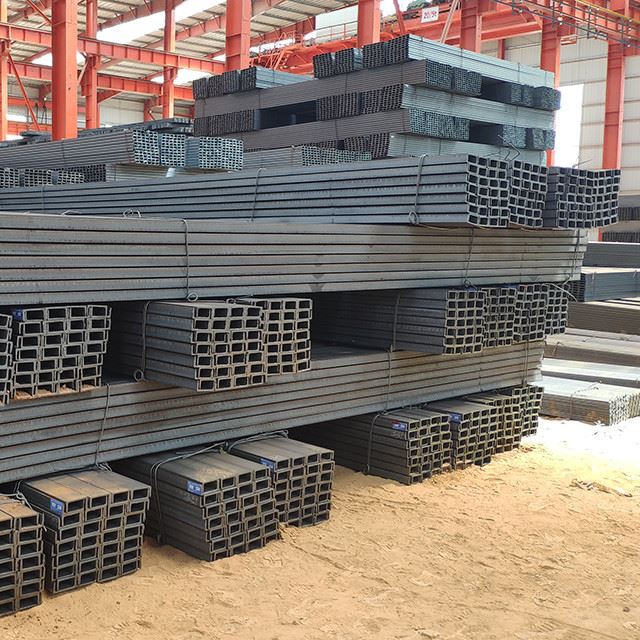
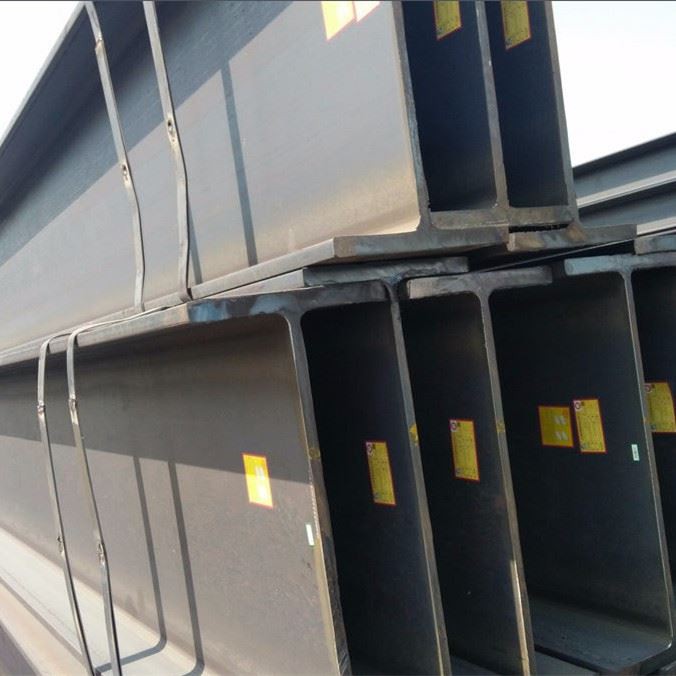
The machinability of different kinds of steel grades is largely dependent on the ease of which they can be modified. Steel manufacturing plants typically employ different processes in machining steel products. These may fall under simple techniques such as cutting, or more complicated ones, such as drilling and shearing. As with determining the tensile strength, equipment is also needed in measuring steel machinability. The most common form of measuring this property is by the time it takes for a particular tool to make cuts or incisions on the steel sample. Some steel grades used for pipes and steel plates don’t need to be machined if they’re going to be utilized as they are. This process is more commonly applied in the production of heavily-altered materials such as corrugated roofing, pipe fittings, or reinforced bars.
Heat-Treatment Capabilities
Not all kinds of section steel grades are capable of undergoing heat treatment, which is why this is one factor that should also be considered before choosing the most appropriate one. In particular, stainless steel can no longer be subject to heat-treatment as a method of improving its strength, but rather cold-working is utilized. Steel grade that needs to be utilized for structural purposes needs to be of high strength. Since steel is an alloy that is composed of different raw materials — usually metals - structural steel shouldn’t contain chromium. A chromium composition of around 10.5% is a distinct feature that separates stainless steel from its non-stainless counterpart. Therefore, its strength and hardenability properties, for example, can no longer be modified by way of heat treatment.
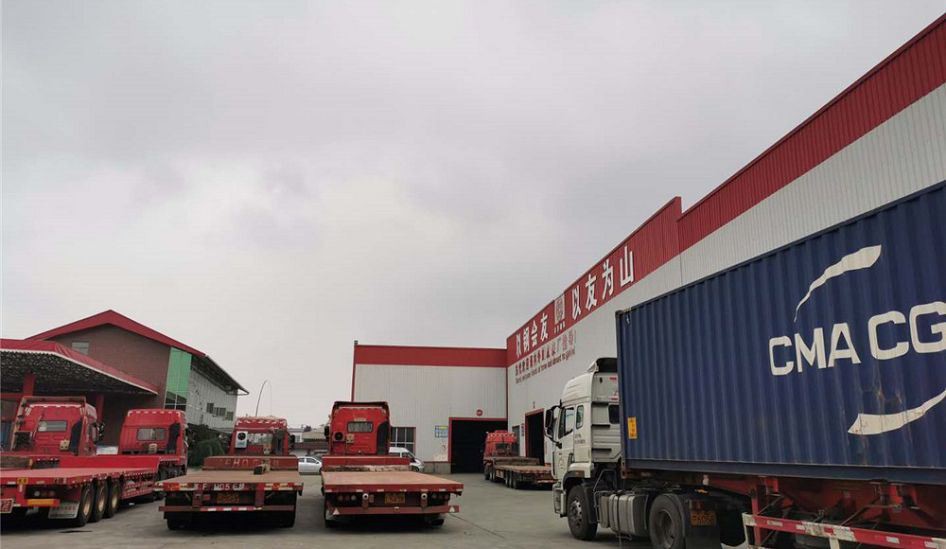
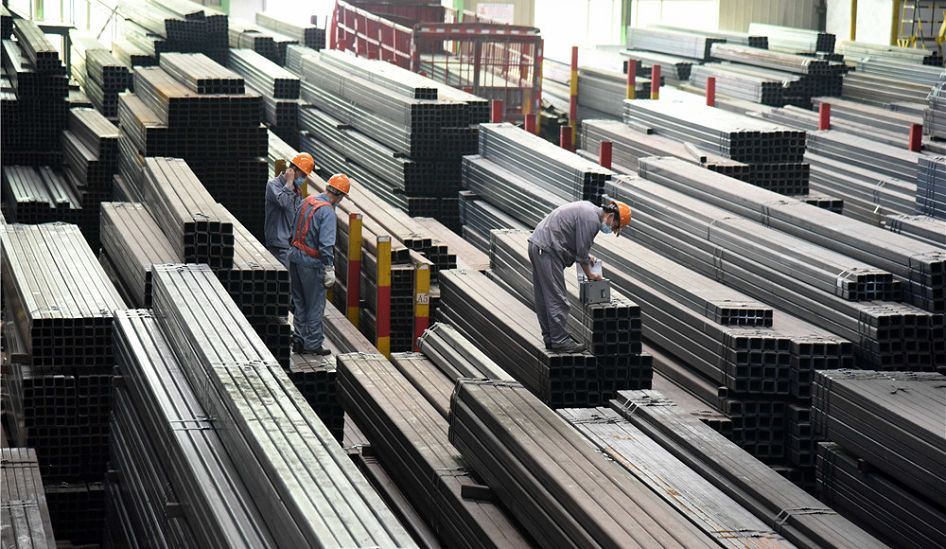
Our Factory
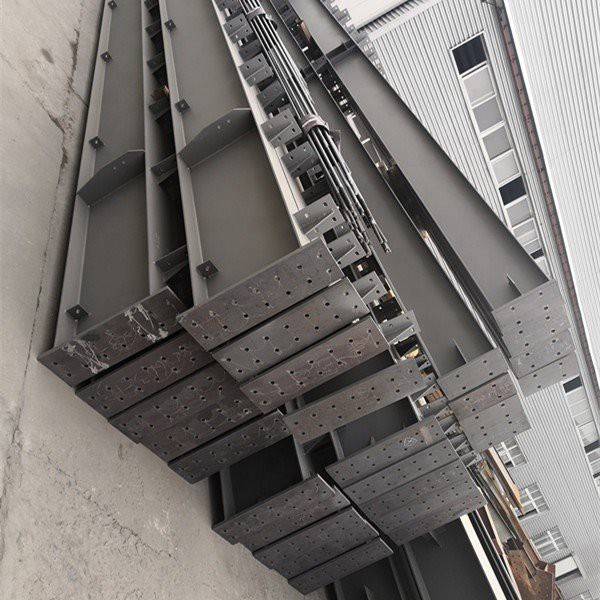
Our factory provides H-beam, I-beam, channel steel, angle steel, steel pipe, round steel, steel bar, steel plate, steel coil, corrugated plate, sandwich panel, decorative panel, fastener, and other building materials.

Common Problems of Section Steel
Q: How are steel sections made?
Q: What is the yield strength of steel sections?
Q: What are common structural steel sections?
Q: Why do we classify steel sections?
Q: What Causes Steel Defects?
Q: What is the difference between rolled section and welded section?
Q: What is rolled steel section?
Q: What is the modulus of elasticity of section steel?
Q: What is the bending strength of section steel?
Q: What is the shear strength of section steel?
Q: How is section steel tested for strength and stiffness?
Q: Can section steel be customized to meet specific requirements?
Q: What are the safety considerations when working with section steel?
Q: What is the advantage of using hot-rolled section steel?
Q: What is the advantage of using cold-formed section steel?
Q: What are the standard lengths of section steel?
Q: What is steel angle in section?
Q: What are the commonly used structural steel sections in beams and columns?
Q: What is an I-beam?
Q: What is an H-beam?
Q: What are the types of steel sections in use?
Q: What are the most common uses of steel sections?
Q: Why are steel sections important?
Q: How to determine steel section properties for a load?
As one of the leading section steel manufacturers and suppliers in China, we warmly welcome you to buy cheap section steel for sale here from our factory. All customized products made in China are with high quality and low price. , sandwich sheets for roof